Guides
Cyprus can be as affordable or as indulgent as you make it. It is generally good value compared with many Western European beach destinations, especially when you share accommodation, eat locally, and travel outside peak summer. However, a Cyprus travel budget rises quickly in sought-after beach resorts, during school-holiday dates, and when private transport and premium stays are priorities.
For tourists, the biggest costs are usually flights, accommodation and car hire rather than everyday essentials. Food can be reasonably priced if you mix tavernas and supermarkets, while beach time itself need not cost much. A private-pool villa, seafront dining and organised excursions naturally create a different holiday cost from a self-catering apartment and local bus travel.
It also helps to separate holiday spending from the cost of living in Cyprus. Residents budget for rent, utilities and routine expenses year-round. Visitors pay seasonal accommodation rates and often spend more on restaurants, transport and activities in a short period.
This guide is for holidaymakers comparing Cyprus regions, dates and stay styles, from couples and families to groups sharing a villa.
What Does a Trip to Cyprus Cost?
A Cyprus trip cost is built from accommodation, meals and drinks, transport, beach equipment or activities, and optional tours. Flights should be budgeted separately, as fares vary substantially by departure airport and booking date.
As a broad planning guide, an independent traveller using simple accommodation and public transport will spend far less than a family hiring a car and staying near a resort beach. Couples can often reduce the Cyprus holiday budget by sharing a room, apartment or villa, while families and groups may find self-catering more practical than paying for every meal out.
When breaking down Cyprus travel costs, separate essentials from choices:
- Accommodation and airport transfers
- Food, drinks and groceries
- Buses, taxis, fuel or car hire
- Archaeological sites, boat trips and tours
- Beach beds, water sports and evenings out
Accommodation Costs in Cyprus
Accommodation is usually the largest part of tourist expenses in Cyprus. Hostels, guesthouses and modest studios can suit solo travellers or couples focused on days out rather than facilities. Self-catering apartments are often a sensible middle ground, particularly for longer stays, remote workers or families who want breakfast and some dinners at home.
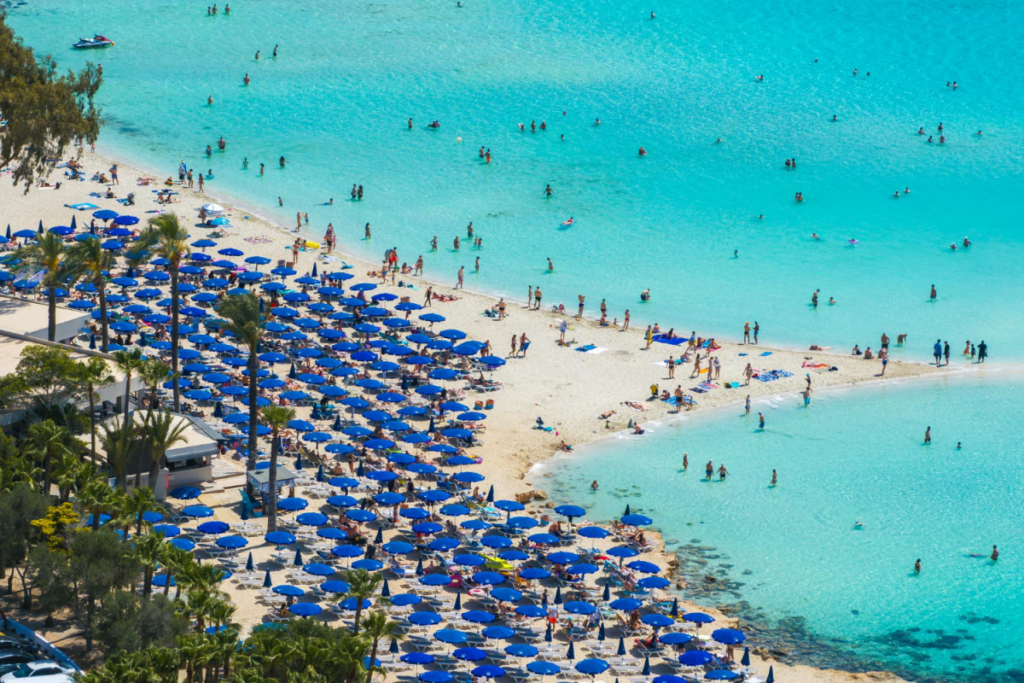
Mid-range hotels offer convenience, while resorts can cost more for their facilities and location. Beachfront and seafront stays in popular areas such as Protaras, Ayia Napa, Coral Bay and parts of Paphos tend to command higher rates, particularly in summer.
For groups, a villa can offer better value per person than booking several hotel rooms. The calculation should include the benefits you will genuinely use: bedrooms, kitchen space, outdoor dining, privacy and a private pool. At Ezoria, villas are personally reviewed and listings set out amenity details clearly, so groups can compare stays on more than photographs alone. Prices remain seasonal, so check your exact dates rather than relying on a fixed nightly figure.
Food and Drink Prices
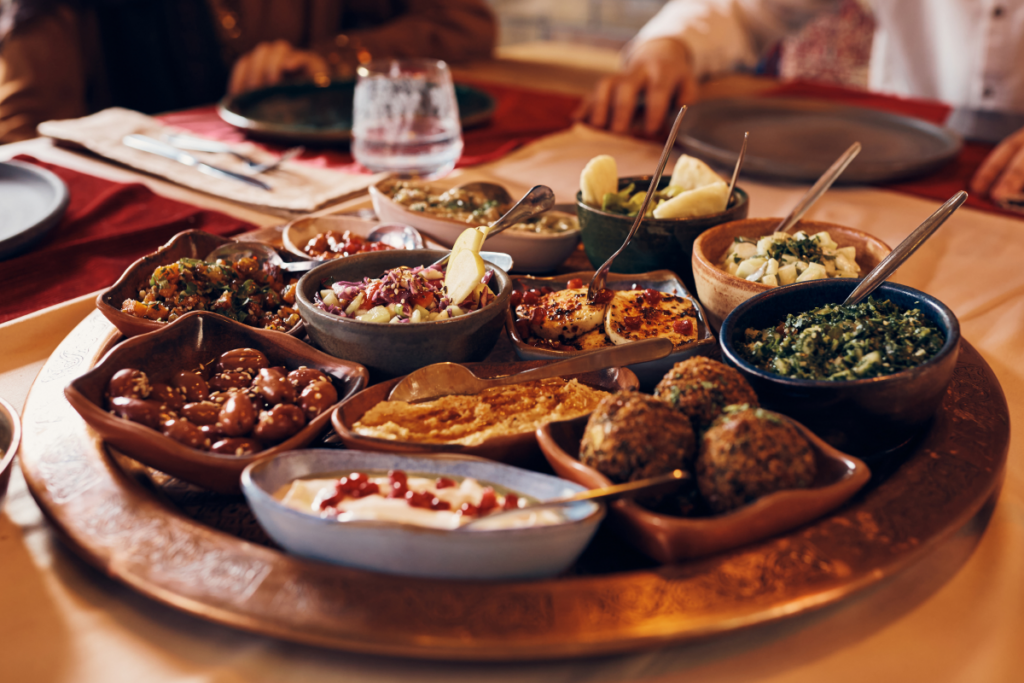
Food and drink prices in Cyprus depend on where you eat. A souvlaki or other inexpensive meal usually costs around €7–€12, while a typical taverna meal is around €10–€15 per person. A mid-range restaurant meal is more likely to cost €15–€30 per person, with prices higher in popular resort areas. A meze generally costs around €18–€30 per person, depending on the restaurant and what is included.
Coffee typically costs around €2.50–€4, while a local beer in a bar is around €4–€6. A couple eating a mid-range dinner with drinks can expect to spend roughly €50–€70, although waterfront and upscale restaurants can be considerably more expensive.
Supermarkets and bakeries are useful for keeping food costs down. A bakery breakfast, fruit, halloumi, bread and drinks for the villa can cover a relaxed morning without a restaurant bill. Buying water and snacks before heading to the beach can also help avoid paying resort-area prices.
Transport, Car Hire, and Getting Around
Public transport is one of the cheaper ways to get around Cyprus. A local bus journey is typically around €2, while monthly passes are around €45. Taxis cost considerably more: a typical 10 km taxi or ride-hailing journey can be around €10–€18, depending on the route, time and provider.
Petrol is currently around €1.50–€1.80 per litre, so travellers hiring a car should budget for fuel in addition to the rental price.
Car-hire prices vary significantly by season, vehicle type, rental period and extras, so it is better to compare the total booking price rather than rely on a single daily rate.
Cyprus Travel Costs Compared with Other Destinations
Cyprus is not automatically the least expensive Mediterranean option, but it can offer strong value for travellers who choose their region and accommodation carefully. Compared with much of Western Europe, eating out and self-catering can feel more manageable, while peak-season beachfront accommodation remains a major expense.
| Destination | Accommodation | Eating out | Transport and exploring | Overall value |
| Cyprus | Wide range, with higher prices in prime resorts | Flexible, from bakeries to tavernas and seafront dining | Car hire is useful beyond resort areas | Good for shared villas, families and longer stays |
| Western Europe | Often higher in major cities and famous coasts | Frequently higher in heavily visited areas | Public transport may be stronger in cities | Cyprus can compare favourably outside peak dates |
| Greek islands | Varies sharply by island and ferry access | Similar casual dining options in many places | Ferry connections can add cost and time | Cyprus avoids island-hopping logistics |
| Malta | Compact, with strong urban sightseeing appeal | Can be comparable in visitor-heavy areas | Public transport can suit city-focused trips | Cyprus offers more space for driving and villa holidays |
| North Cyprus | Costs can differ by area and exchange conditions | Often perceived as lower for some expenses | Practicalities depend on your route and plans | Compare current accommodation and transport carefully |
For a Cyprus vs Greece travel cost comparison, avoid treating Greece as one market: a quiet mainland town and a high-demand island have very different price levels. The same is true of Cyprus vs Malta cost comparisons. Location, dates and whether you need a car matter more than a broad national label.
North Cyprus travel costs can look different from those in the Republic of Cyprus, but travellers should check practical travel arrangements, insurance terms, currency handling and accommodation conditions before finalising an itinerary.
Which Parts of Cyprus Are Most Expensive?
The most expensive areas in Cyprus are usually those closest to popular sandy beaches, nightlife, airport access and major visitor attractions. That does not mean every stay in these areas is costly, but demand concentrates there in summer.
Paphos travel costs vary widely. The harbour and coastal resort zones appeal to visitors who want restaurants, sightseeing and easy access to the west coast, while nearby Peyia and Coral Bay can suit travellers looking for more space and a beach-focused base. Larnaca travel costs can be easier to manage for a short break, especially for visitors who value city convenience and proximity to Larnaca Airport.
Protaras, Ayia Napa and Ayia Thekla are popular for east-coast beach holidays. Protaras tends to suit families and beach lovers, while Ayia Napa can appeal to groups looking for nightlife as well as beaches. Prices rise when demand for these locations is strongest.
Inland villages and countryside stays can offer a quieter alternative, although a car is usually more useful there. For cheap places to stay in Cyprus, look beyond the first row of beachfront hotels, travel in the shoulder season and consider sharing a larger property. North Cyprus can present a different price picture, but it should be chosen for the route and holiday style that suit you, not price alone.
How Seasonality Changes Your Cyprus Budget
The best time to visit Cyprus on a budget is often outside the busiest summer weeks. July and August bring hot weather, school-holiday demand and higher Cyprus hotel prices by season, especially around major beach resorts. Flights, villas and car hire are often under the greatest pressure then, and popular restaurants may need advance planning.
Spring and autumn usually offer a more balanced combination of pleasant weather, sightseeing conditions and shoulder-season rates. April, May, late September and October can suit couples, walkers, families without school-date restrictions and travellers who want warm days without the most intense heat. Sea temperatures and beach conditions vary by month, so swimmers should check expectations rather than assume summer-like water year-round.
Winter can bring the lowest accommodation costs and quieter roads, making it attractive for cultural visits, hiking and longer stays. The trade-off is cooler evenings, a greater chance of rain and reduced opening hours in seasonal resort areas. Some beach-focused businesses and excursions operate less frequently.
For cheap Cyprus holidays, book accommodation and car hire early once dates are fixed. At Ezoria, most villas require seven nights in peak summer, while shorter stays are often possible in shoulder season, depending on the property and availability.
Sample Daily Budgets for Cyprus
These are indicative 2026 planning ranges and exclude flights. Actual spending varies by season, destination, accommodation and transport choices.
| Travel style | Accommodation | Food | Transport & activities | Approx. total |
| Budget | €25–50 | €15–30 | €5–20 | €45–100 pp/day |
| Mid-range | €50–100 pp | €25–50 | €15–40 | €90–190 pp/day |
| Comfortable | €100–200+ | €40–70 | €25–60+ | €165–330+ pp/day |
How Much Does a Week in Cyprus Cost?
For two people sharing accommodation, a seven-day Cyprus holiday can cost roughly €1,000–€1,400 excluding flights on a budget, €1,500–€2,500 for a comfortable mid-range trip, or €2,700+ for a higher-end holiday.
A budget trip could mean a simple apartment, supermarket breakfasts, several casual meals, public transport and mostly free activities. A mid-range trip might include a good apartment or hotel, restaurant meals, car hire and several paid attractions. A villa with a private pool, frequent dining out and organised excursions can push the total substantially higher.
These are planning ranges rather than fixed prices. Your actual Cyprus holiday cost will depend on your travel dates, destination, accommodation type, transport and how often you eat out.
How to Save Money on a Cyprus Holiday
Saving money in Cyprus is mostly about making a few well-timed decisions, not stripping the enjoyment from the trip.
- Travel outside the peak summer period. Shoulder-season stays can offer better value while still giving you warm weather for sightseeing and many outdoor days.
- Book accommodation early. The best fit for your group and location can disappear first, particularly properties with pools, sea views or several bedrooms.
- Choose self-catering for part of the trip. A villa or apartment kitchen makes breakfasts, picnic lunches and relaxed family dinners easier to manage.
- Share transport where it makes sense. A rental car can be cost-effective for a family or group exploring several beaches and villages. If you are staying in one resort, use buses and the occasional taxi instead.
- Eat one street back from the waterfront. You can still enjoy Cypriot food without paying a premium for the busiest promenade location every night.
- Prioritise low-cost days out. Beaches, coastal walks, village browsing and scenic drives can balance paid boat trips, water sports and attraction entry fees.
For practical budget travel in Cyprus, match the base to your holiday. A family that wants pool days may spend less by choosing a well-equipped villa and cooking several meals than by booking a hotel and paying for activities every day. Browse villas with your dates to see current, seasonal pricing for the areas that suit your trip.

Frequently Asked Questions About Cyprus Travel Costs
Is Cyprus expensive for a week-long holiday?
A week in Cyprus can be affordable, mid-range or high-end depending mainly on your dates, accommodation and transport. A shared self-catering stay outside peak summer costs far less than a beachfront resort holiday with car hire, dining out and tours. Budget separately for flights, as they depend on your departure airport.
How much spending money do I need for Cyprus?
Plan spending money around meals, local transport, activities and personal extras after accommodation is paid. A self-catering traveller using buses needs less than someone taking taxis, booking boat trips and eating every meal out. Keep a contingency fund for fuel, beach activities and unplanned restaurant visits.
Is Cyprus cheaper than Greece for tourists?
Cyprus can be cheaper than some Greek island holidays, but not every trip to Greece. Famous islands in peak season may cost more for accommodation and transport, while quieter Greek mainland destinations can be better value. Compare your exact dates, resort area, flights and need for a rental car.
Is North Cyprus cheaper than the Republic of Cyprus?
North Cyprus can have different price levels, but it is not automatically the better-value choice for every traveller. Costs depend on your accommodation, route, transport plans and exchange conditions. Compare current booking prices and practical travel requirements before choosing between North Cyprus and the Republic of Cyprus.
Planning Your Cyprus Holiday Budget?
The right accommodation can make a significant difference to your overall Cyprus holiday cost. If you are unsure which area or villa fits your budget, contact us for personalised advice. Our team can help you compare suitable properties, locations and stay options based on your dates, group size and travel plans.