Guides
How to Use This 7-Day Cyprus Itinerary
This 7-day Cyprus itinerary gives first-time visitors a balanced view of the island: lively coastal towns, ancient ruins, swimming spots, mountain villages and the wilder west. It is designed for holidaymakers who want more than a beach break without spending every day in the car.
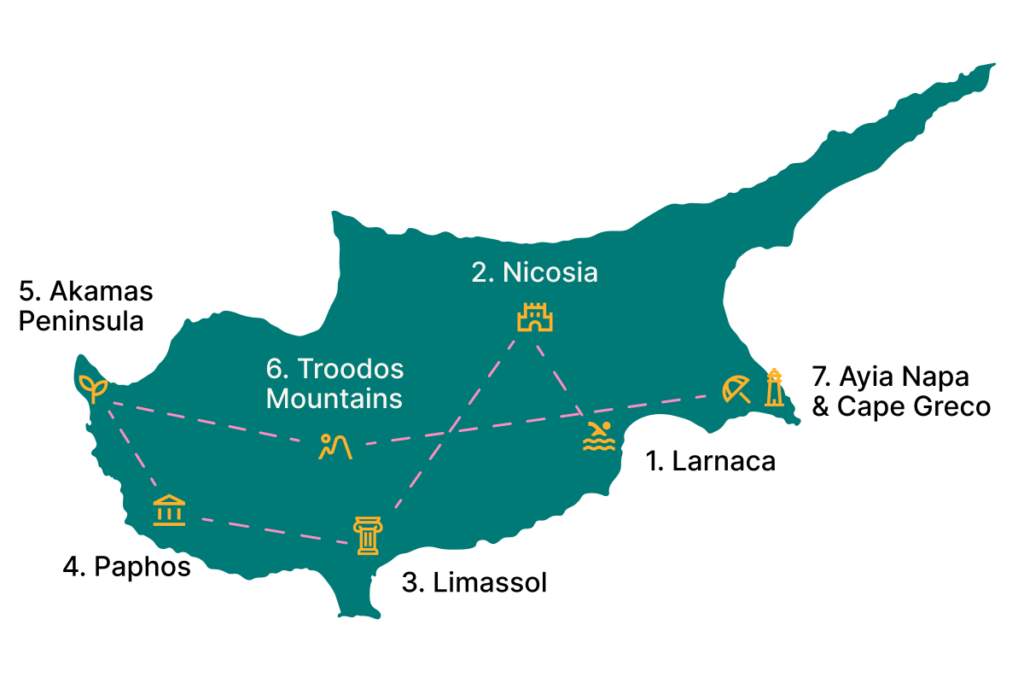
The route begins in Larnaca, moves west through Nicosia, Limassol and Paphos, then returns inland through the Troodos Mountains before finishing around Ayia Napa and Cape Greco. Driving distances are manageable, but mountain roads and Akamas tracks require more time than a map can suggest.
A rental car makes this full Cyprus itinerary far easier, especially for Kourion, Akamas and the Troodos villages. Visitors who prefer not to drive can still use intercity buses, taxis and organised excursions, but should choose fewer bases and allow a more relaxed pace.
Ezoria’s local team recommends this route particularly for families, couples and groups staying for a week or longer, when a villa can provide space to pause between sightseeing days. Browse villas with your dates.
Day-by-Day Cyprus Itinerary for 7 Days
This day-by-day itinerary follows a logical west-to-east loop, reducing unnecessary backtracking. Start in Larnaca, include Nicosia if city history interests you, continue through Limassol and Paphos, then travel via the Troodos Mountains to the southeast coast.
You can reverse the 7-day Cyprus itinerary if your flights, villa availability or preferred airport make that more convenient. The key is to avoid trying to see every region in a single day.
Day 1: Arrive in Larnaca and Explore the Seafront
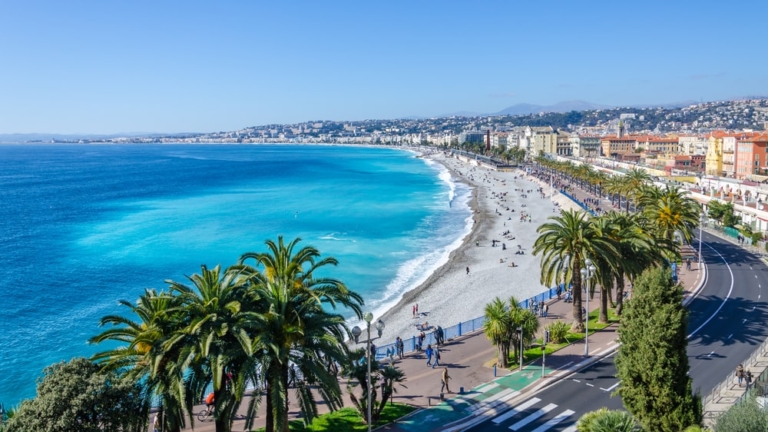
Keep your first day in Larnaca deliberately light. After collecting a rental car or arranging your transfer, settle into your accommodation and head towards Finikoudes, the palm-lined promenade beside the town beach. It is an easy place to recover from a flight, have a swim or simply walk along the waterfront.
Spend part of the afternoon in Larnaca’s older streets, where cafés, small shops and historic churches give the city more character than a quick airport stop might suggest. If you arrive early and are a certified diver, the Zenobia Wreck is a well-known diving excursion option. Pre-book with a licensed operator and confirm weather and experience requirements.
Non-divers do not need to force a packed schedule. Choose a waterfront dinner instead, order grilled halloumi or fresh seafood, and save energy for the road trip ahead.
Day 2: Discover Nicosia and Consider a Kyrenia Excursion
Drive inland to Nicosia for a different side of Cyprus. The capital’s old city is enclosed by Venetian walls and rewards unhurried walking, with narrow lanes, museums, craft shops and cafés around the historic centre. Choose one museum or cultural stop rather than trying to cover them all in a few hours.
Nicosia is also a divided city, and visitors will notice the practical reality of the Green Line in parts of the centre. Treat this as context for a respectful visit, not as a sightseeing novelty.
Kyrenia can be considered as a separate excursion for travellers who are eligible to cross and have checked current requirements. Crossing procedures, insurance and documentation can change, so consult official travel advice before making plans. If that feels complicated, stay with Nicosia and continue towards Limassol in the late afternoon or evening.
Day 3: Visit Limassol and Ancient Kourion
Day three combines modern coastal Cyprus with one of its most striking archaeological settings. Limassol works well for a morning stroll around the old town or marina, followed by lunch before continuing west to Kourion Archaeological Site.
Kourion sits high above the sea, so its setting is as memorable as the ruins themselves. The site includes a restored Greco-Roman theatre, mosaic floors and remains from different periods of the settlement. Go early or later in the afternoon where possible, especially in warmer months, as shade is limited.
Wear secure footwear rather than flip-flops, carry water and allow time to walk over uneven stone paths. Afterwards, base yourself in or near Paphos for the next two nights. This cuts down the driving needed for the western part of your Cyprus holiday itinerary.
Day 4: Explore Paphos, Tomb of the Kings and Aphrodite's Rock
Start early at the Tomb of the Kings, a large archaeological site near Paphos with underground chambers and monumental rock-cut tombs. Despite its name, the site is not simply a burial place for kings. The appeal lies in the scale, craftsmanship and atmosphere of the excavated complex.
Continue to Paphos harbour for lunch, then make time for the wider archaeological heritage around the town if you enjoy Roman-era mosaics and ancient remains. Paphos is a strong base for travellers who want a mix of history, restaurants and access to western beaches.
Later, drive along the coast towards Aphrodite’s Rock, also known as Petra tou Romiou. The location is associated with the myth of Aphrodite’s birth, but visitors should view it as a dramatic coastal stop rather than a beach set up for a long swimming day. Stay for sunset, admire the sea stacks from shore and take care around waves and slippery rocks.
Day 5: Spend a Nature Day on the Akamas Peninsula
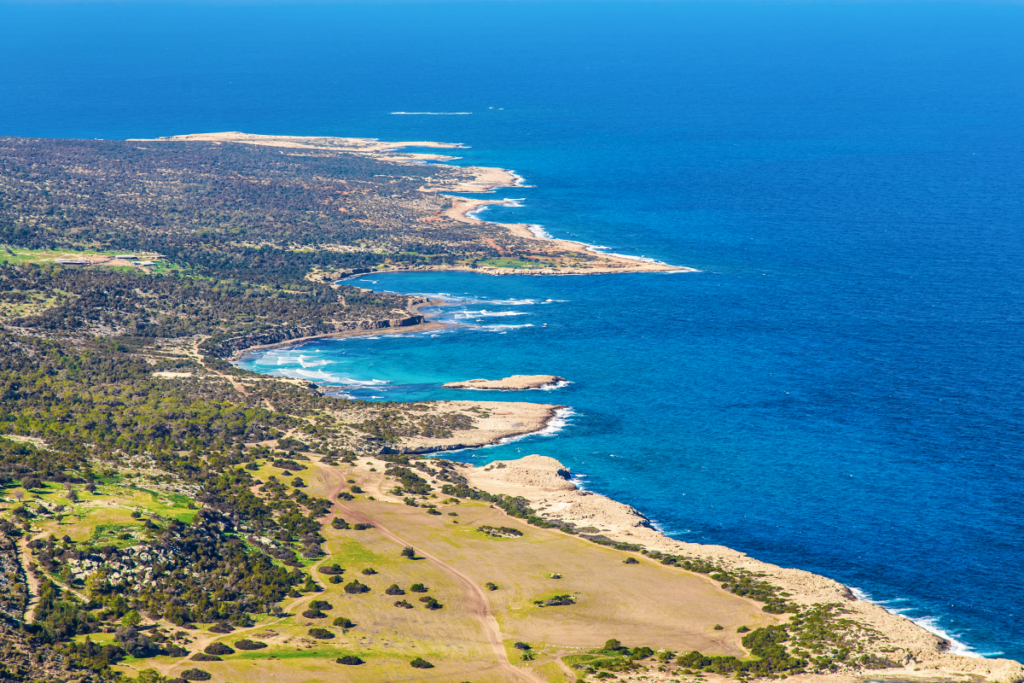
The Akamas Peninsula is the itinerary’s nature-focused day. From Paphos or Polis, set out early for a landscape of coastal viewpoints, walking routes, swimming coves and sparse development. It feels noticeably quieter than the island’s main resort areas.
A standard rental car can be sufficient for established roads and access points, but conditions change quickly on unpaved tracks. Do not assume that every route is suitable for a regular car or covered by your rental agreement. For rougher terrain, remote coves or a guided boat experience, an organised excursion can be the less stressful choice.
Bring more water than you expect to need, sun protection, food for the day and offline navigation. Stay on marked routes, do not drive into restricted areas, and leave no litter in protected landscapes. Finish in Polis or Latchi for a relaxed seafood dinner before returning to Paphos.
Day 6: Drive Through the Troodos Mountains and Villages
After several coastal days, the Troodos Mountains offer a welcome change of pace. The roads climb through pine-covered slopes, vineyards and villages where a traditional taverna lunch can become the main event rather than a quick stop between attractions.
Choose two or three priorities: a scenic viewpoint, a village such as Omodos, a winery visit, or one of the painted churches in the mountain region. Some churches are recognised for their exceptional historic frescoes, but opening access and etiquette can vary. Dress modestly, speak quietly and check practical details before travelling.
Temperatures are often cooler at altitude, particularly outside summer, so take an extra layer. Avoid overpacking the day with every village and viewpoint you see online. The value of Troodos is in slowing down, enjoying local food and seeing the inland character that beach-only visitors miss.
Day 7: Relax at Ayia Napa, Nissi Beach and Cape Greco
For your final day, head to Cyprus’s southeast coast. Nissi Beach is known for pale sand and clear, shallow-looking water, making it a popular choice for a last swim. In busy periods, arrive early for a calmer experience and keep a close eye on children around the water.
Ayia Napa has a nightlife reputation, but it also suits travellers who want beaches, boat trips and straightforward holiday facilities. Those seeking a quieter base can look towards nearby Protaras or Ayia Thekla instead.
Leave time for Cape Greco National Forest Park, where coastal paths, sea caves and viewpoints make an excellent alternative to another full beach day. Walk a section of the coastline, join a boat trip if conditions suit, or enjoy a final unhurried lunch overlooking the sea. Plan your departure transfer or airport drive in advance, particularly for early flights.
Getting Around Cyprus: Driving, Buses and Travel Times
A car is the most flexible way of getting around Cyprus on this route. It allows you to combine villages, beaches and archaeological sites on your own schedule, and it is particularly useful for Akamas and the Troodos Mountains. Cyprus drives on the left, so allow a little time to adjust after collecting your vehicle.
Intercity buses can work well between major cities, while taxis and guided day tours are useful if you do not want to drive. However, Cyprus bus travel is less practical for a multi-stop itinerary with remote beaches or mountain villages. Plan fuel stops before rural routes, use designated parking where available, and expect slower progress on winding inland roads.
| Route leg | Approximate drive time | Best transport option | Route note |
| Larnaca to Limassol | About 50-60 minutes | Rental car or intercity bus | Straightforward main-road journey |
| Limassol to Paphos | About 50-60 minutes | Rental car or intercity bus | Useful stop at Kourion en route |
| Paphos to Polis | About 45-60 minutes | Rental car | Allow longer for Akamas access |
| Troodos Mountains to Ayia Napa | About 2-2.5 hours | Rental car | Mountain bends and cross-island driving add time |
| Paphos to Ayia Napa | About 2.5-3 hours | Rental car | Better split with an inland or coastal stop |
Best Time to Visit Cyprus for This Route
The best time to visit Cyprus depends on whether your priority is swimming, sightseeing or hiking. For a mixed itinerary, spring and autumn are often the most comfortable choices: archaeological sites are easier to explore, the Akamas Peninsula is more pleasant for walking, and coastal towns are generally less intense than peak summer.
Cyprus in spring suits travellers who value green scenery, village walks and cultural stops. Sea temperatures can still feel fresh earlier in the season. Early summer brings warmer beach weather but also stronger heat around sites such as Kourion and the Tomb of the Kings.
Cyprus in October is a popular option for visitors who want warm days and a better balance between beach time and touring. Summer is ideal for committed sun-seekers, but schedule outdoor activity early. In winter, coastal sightseeing remains possible, while the Troodos Mountains are far cooler and can receive snow.
Where to Stay During a One-Week Cyprus Holiday
For a one-week Cyprus holiday, changing accommodation once is usually the best compromise. Start around Larnaca or Limassol, then move to Paphos for the west, before choosing the southeast coast for the final nights if your return journey allows it.
- Larnaca accommodation suits late arrivals, short airport transfers and an easy first night.
- Limassol is useful for travellers wanting a central coastal base, restaurants and access to Kourion.
- Paphos hotels and villas suit history-focused visitors, couples and anyone planning Akamas or Polis days.
- Ayia Napa hotels, Protaras and nearby villa areas suit beach-focused families and groups who want easy access to Nissi Beach and Cape Greco.
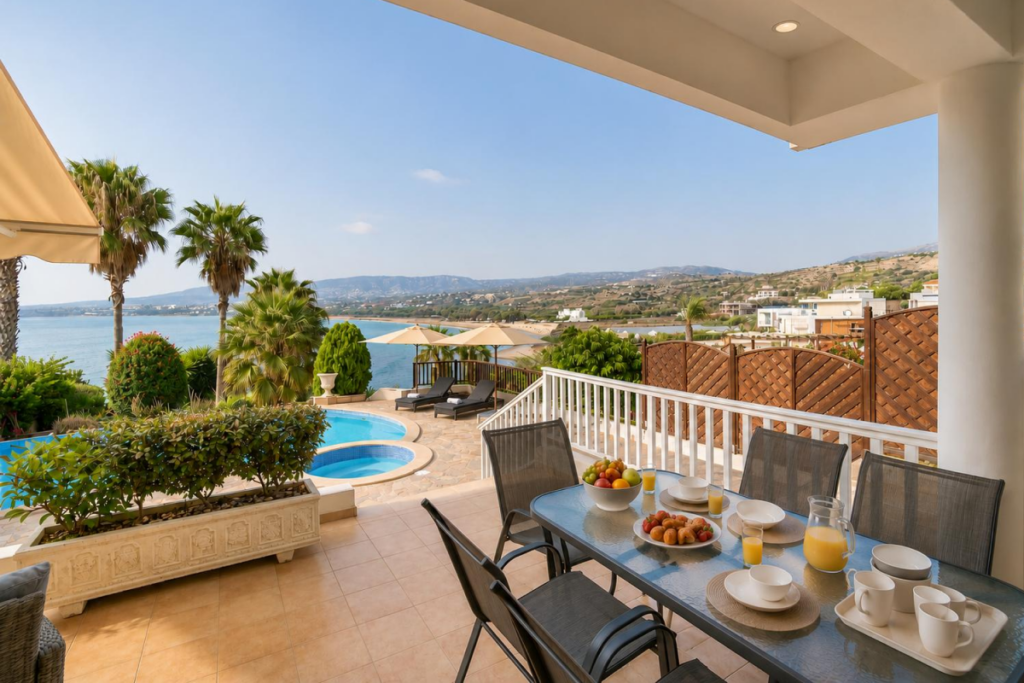
Staying in one villa can make sense for families with young children, groups who prefer not to repack, and guests who value a private pool and outdoor space over daily touring. The trade-off is longer drives to the opposite side of the island.
Ezoria offers professionally managed villas across destinations including Larnaca, Limassol, Paphos, Coral Bay, Latchi, Ayia Napa and Protaras. Most villas require seven nights in peak summer, while shorter stays are often possible in shoulder season, depending on the property and dates.
Food, Local Customs and Practical Cyprus Travel Tips
Cyprus food is best enjoyed slowly. Try a meze when you have time for several small dishes, grilled halloumi, seafood near the coast and a village taverna meal in the Troodos Mountains. Meze portions can be generous, so ask how the restaurant serves it and avoid ordering too much alongside it.
At churches and religious sites, dress respectfully by covering shoulders and knees where requested. A friendly greeting goes a long way, and restaurant service is usually relaxed rather than rushed. Tipping is appreciated for good service, but it is not a substitute for checking whether a service charge has already been included.
Use sun protection even outside midsummer, carry water on day trips and follow local flags or lifeguard instructions at beaches. Book popular restaurants, diving trips and boat excursions ahead in the busiest months. For villas, car hire help and airport transfers arranged through trusted local partners, organise practical details before arrival so your first day stays easy.
Frequently Asked Questions
Is 7 days enough time to see Cyprus?
Yes, seven days is enough to experience several very different parts of Cyprus, but not every attraction in depth. A week can comfortably cover Larnaca, Limassol, Paphos, Akamas, the Troodos Mountains and the Ayia Napa coast if you use a car and avoid overloading each day. Choose a few priorities rather than treating the itinerary as a checklist.
Do you need to rent a car for a 7-day Cyprus itinerary?
You do not strictly need a car, but it is the most practical choice for this 7-day Cyprus itinerary. Buses can connect major towns, and guided tours can cover selected sights, yet a rental car gives you much better access to mountain villages, coastal viewpoints and Akamas. Remember that driving is on the left and rural routes take longer than expected.
What is the best month for a Cyprus holiday?
For a mix of sightseeing, outdoor time and swimming, late spring or autumn usually offers the best balance. May, June, September and October are often appealing, though conditions vary by year. Choose summer for reliably hot beach days, spring for greener landscapes and winter for quieter cultural trips with cooler mountain weather.
Can you visit both Paphos and Ayia Napa in one week?
Yes, you can visit both Paphos and Ayia Napa in one week if you plan the route carefully. They are on opposite sides of the island, so avoid travelling directly between them as a rushed day trip. Stay in Paphos for the western sights, then use the Troodos Mountains or Limassol as a natural stop while travelling east.
Should I stay in one hotel or move around Cyprus?
For most travellers, changing accommodation once gives the best balance between comfort and driving time. A western base in Paphos and an eastern base near Ayia Napa or Protaras work well for this route. Stay in one place if unpacking less matters more than seeing every region, especially when travelling with children or a larger group.